Everyday Gestures That Bring Families Closer
Today we’re focusing on small acts that nurture parent‑child bonds, celebrating the tiny, repeatable gestures that create safety, trust, and joy. From shared glances to pocket notes and bedtime whispers, discover practical ways to feel closer, even on your busiest, messiest days. Share your favorite ritual in a comment and subscribe for gentle weekly inspiration.

The Power of One Focused Minute
Connection grows when attention becomes undivided, even briefly. One quiet minute, fully present, can soothe worries, slow breathing, and signal, I’m with you. These tiny pauses fit between errands and emails, helping children feel seen and parents feel purposeful without adding pressure or unrealistic time demands.
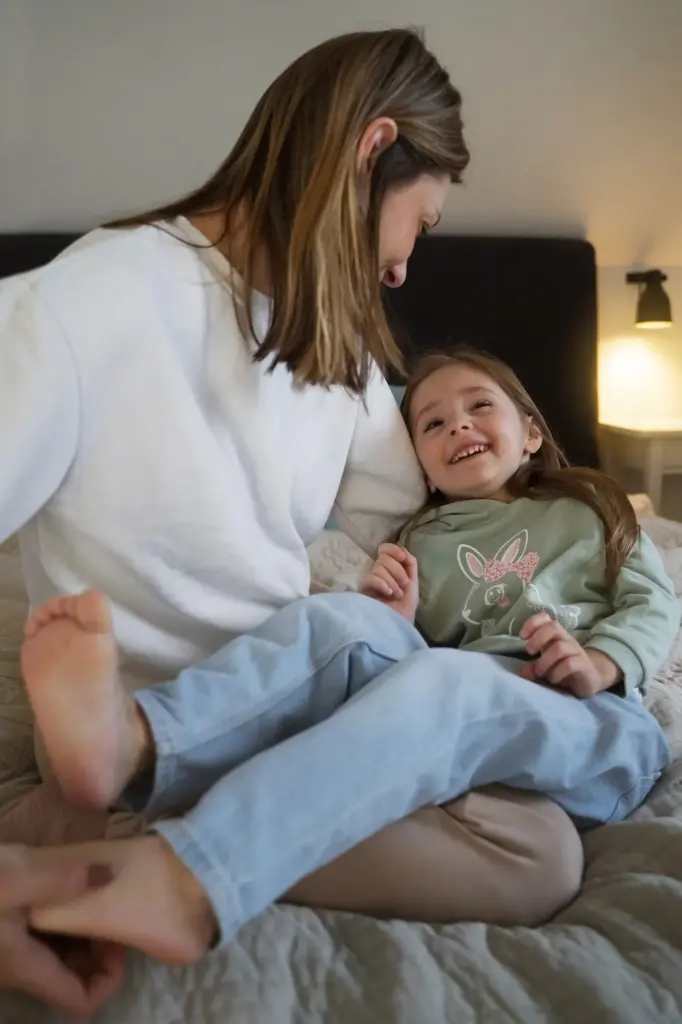
The 60-Second Check-In
Set a timer and offer sixty seconds of pure listening. Ask one gentle question, then reflect back a feeling or detail you noticed. This micro-ritual teaches children their inner world matters, while training adults to pause, observe, and respond with warmth rather than fixes.

Eye Contact That Listens
Kneel to their level, soften your gaze, and let your face mirror curiosity. Count three breaths while looking kindly, not intensely. Many kids regulate by reading calm faces; your steady eyes become a lighthouse, guiding emotions toward shore without lectures, bribes, or complicated interventions.

Naming Feelings Without Fixing
Give language to the storm you see: frustrated, left out, hopeful, proud. Stop there. When you resist jumping to solutions, children learn emotions are safe guests that pass. Paradoxically, fewer words and calmer tone speed recovery, strengthening trust and modeling respectful boundaries around problem ownership.
Rituals That Anchor Busy Days
Predictable moments reduce anxiety and create shared meaning. Simple routines—morning songs, after-school snacks, or nightly checklists—tell children what to expect and where they belong. When life feels chaotic, rituals become handrails, steadying everyone while preserving room for silliness, creativity, and spontaneous wonder.

The Hello-Goodbye Bridge
Design a playful greeting and parting sequence: two taps, a wink, and a whispered word. Repeat it at doors, bus stops, and car lines. Consistency turns ordinary thresholds into bridges of reassurance, communicating, I remember you, I’ll return, and we’re connected, even apart.
Bedtime’s Gentle Landing
End the day with predictable softness: dim lights, shared water, a sentence of gratitude, and one question for tomorrow. Children drift easier when closure feels kind. Keep it brief yet reliable, signaling safety while resisting screens, cliffhanger negotiations, or new tasks that jolt tired minds.
Micro-Celebrations for Ordinary Wins
Create a five-second cheer for small efforts: placing shoes away, finishing homework, pausing an argument. A quick dance, sticker, or bell chime reinforces progress without pressure. Children internalize, I’m capable, and home recognizes effort, not only perfection or public achievements captured for distant audiences.
Playful Sparks That Melt Distance
Shared laughter loosens tension, rebuilds rapport, and invites cooperation. Brief, playful moments feel safe because stakes are tiny and delight is contagious. Humor communicates, I enjoy you, not just, I manage you. When joy returns, problem-solving usually follows with less resistance and more goodwill.

Ridiculous Handshakes and Secret Signals
Invent an over-the-top handshake with spinning fingers, shoulder taps, and a silly sound. Use it before stressful events to lower pressure and say, we’re a team. These humorous rituals weave belonging into bodies, so courage shows up when words alone feel stiff or overwhelming.
Two-Minute Game Bursts
Keep a rotating list of micro-games: ten jumping jacks, paper basketball, rhyme tag, or mirror dancing. Announce a sudden round during chores or transitions. Quick contests release energy, reset mood, and transform nagging into momentum, proving that a little fun often unlocks cooperation.
Story Seeds in a Pocket
Carry tiny prompts on slips of paper: a dragon who hates tomatoes, a robot afraid of rain, a brave ant on vacation. Pull one while waiting. Cooperative storytelling builds imagination, patience, and turn-taking, while smuggling connection into the ordinary logistics of family life.

Words That Build Safe Spaces
Language can cradle or bruise. Brief phrases that reflect effort, curiosity, and care teach brains to expect safety at home. Thoughtful words de-escalate power struggles, open doors to honesty, and make repair faster when missteps happen, as they always do in growing relationships.
Shared Tasks, Shared Heartbeats
Working side by side invites casual conversation and pride. When hands move together—folding towels, washing vegetables, fixing a wobbly chair—children practice competence while absorbing family values. Collaboration turns chores into belonging, proving contribution is love in action rather than perfection displayed for approval.
Calm Bodies, Connected Minds
Hugs with a Count and a Breath
Offer a long hug and count slowly to eight together while exhaling. This anchors bodies, lowers heart rates, and invites giggles as tension melts. Predictable rhythm plus affectionate pressure becomes a portable sanctuary, available in kitchens, parking lots, and noisy hallways between commitments.
Co-Regulation in Crowded Places
In lines or lobbies, place a palm on your own heart and invite your child to match your breathing. Whisper a simple mantra, In and out, we’re safe. Quiet mirroring redirects attention inward, shrinking sensory overload and reminding both nervous systems that togetherness protects.
Quiet Presence as a Superpower
Sometimes the best response is nearby silence: sit on the floor, sip water, and keep company without commentary. Presence says, I trust your process, while warmth signals availability. Children often decompress when pressure evaporates, returning willingly once emotions settle and dignity remains intact.